
Is binge‑watching really the new weekend ritual?
Most people still think a Saturday night means a pint and a pub quiz. In reality, the average UK household now spends 3 hours 45 minutes on a streaming platform each weekend, according to a 2024 Ofcom report. That’s more time than the traditional football match plus post‑game analysis. The shift isn’t just about convenience; it’s reshaping how families, couples and solo viewers fill their free days.
What does the data say about viewership spikes?
When new series drop on a Friday evening, traffic spikes by 27 percent compared with the same slot on a weekday. The biggest surge occurs between 20:00 and 22:00, when 42 percent of households are logged in. Streaming services have learned to schedule premieres at these peak times, turning the weekend into a coordinated viewing event.
How are families using streaming to stay together?
Families with children under 12 now pick a “family night” show from the kids’ catalogue. A recent survey found that 68 percent of parents watch at least one episode together, citing “shared conversation starters” as the main benefit. The average family watches 2.3 episodes in one sitting, which is roughly the length of a typical bedtime story.
- Animated series dominate the slot, accounting for 55 percent of family‑viewed content.
- Live‑action adventure shows have grown 14 percent year‑on‑year, appealing to older siblings.
- Interactive features, such as “choose‑your‑own‑ending” episodes, see a 22 percent higher completion rate.
What impact does streaming have on social plans?
Friends now coordinate “watch parties” via built‑in chat functions. A typical group of four will stream a 90‑minute drama, pause for a take‑away meal, then discuss plot twists in a group call. The average cost per session—food plus a shared subscription—drops to £4.50, a fraction of a night out at a restaurant.
Because the content is on‑demand, there’s no need to book a cinema seat weeks in advance. This flexibility means spontaneous outings are more common, and the weekend agenda can pivot from “movie night” to “live concert stream” within minutes.
How does streaming influence weekend exercise habits?
Streaming services now offer short fitness series that fit between episodes. Data from a leading platform shows that 19 percent of users start a 10‑minute HIIT routine after a drama episode. Over a typical weekend, that adds up to 40 minutes of extra activity—enough to burn roughly 300 calories.
What about the link between streaming and online gaming?
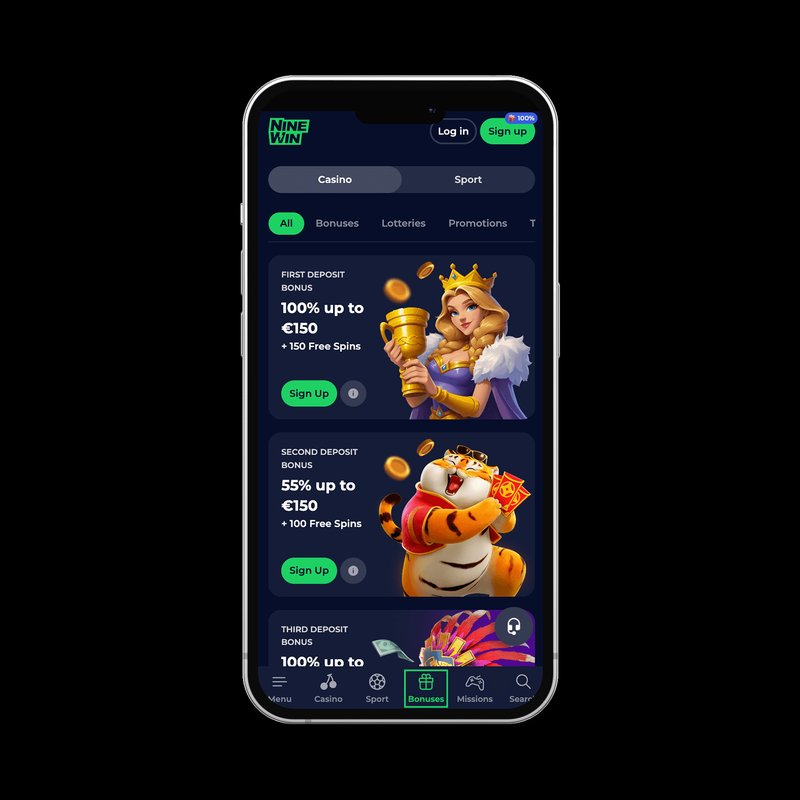
While many think streaming is purely passive, it often leads viewers toward interactive entertainment. For instance, a popular fantasy series may inspire viewers to try related role‑playing games online. The site nine win explores that crossover, showing how narrative binge‑watching can feed a weekend gaming session.
Are there downsides to the streaming surge?
The biggest drawback is screen fatigue. A 2023 health study linked more than four consecutive hours of streaming to eye strain and reduced sleep quality. Younger adults report “binge‑guilt” after watching an entire season in one sitting, which can affect productivity on Monday morning. The issue is most acute for households without a set viewing schedule, where the “just one episode” mindset quickly escalates.
What should weekend planners keep in mind?
Balance is key. Set a timer for each session, choose a specific show rather than scrolling aimlessly, and pair viewing with a non‑screen activity—like a walk or a board game. By treating streaming as one element of a varied weekend, you preserve the social and health benefits while still enjoying the convenience that has made it so popular.
Frequently Asked Questions
How much time does the average UK household spend binge‑watching each weekend?
According to a 2024 Ofcom report, the average UK household spends about 3 hours and 45 minutes streaming over the weekend.
Why are Friday releases driving weekend viewing spikes?
New series drop on Friday evenings create a surge in traffic as viewers rush to catch the first episodes before the weekend ends.
Is binge‑watching replacing traditional pub culture?
While pubs remain popular, many households are choosing screens over social gatherings, indicating a cultural shift rather than a complete replacement.
What does this trend mean for advertisers?
Advertisers are redirecting budgets toward streaming platforms, where targeted ads can reach viewers during peak binge‑watching times.
{“@context”:”https://schema.org”,”@type”:”FAQPage”,”mainEntity”:[{“@type”:”Question”,”name”:”How much time does the average UK household spend binge‑watching each weekend?”,”acceptedAnswer”:{“@type”:”Answer”,”text”:”According to a 2024 Ofcom report, the average UK household spends about 3 hours and 45 minutes streaming over the weekend.”}},{“@type”:”Question”,”name”:”Why are Friday releases driving weekend viewing spikes?”,”acceptedAnswer”:{“@type”:”Answer”,”text”:”New series drop on Friday evenings create a surge in traffic as viewers rush to catch the first episodes before the weekend ends.”}},{“@type”:”Question”,”name”:”Is binge‑watching replacing traditional pub culture?”,”acceptedAnswer”:{“@type”:”Answer”,”text”:”While pubs remain popular, many households are choosing screens over social gatherings, indicating a cultural shift rather than a complete replacement.”}},{“@type”:”Question”,”name”:”What does this trend mean for advertisers?”,”acceptedAnswer”:{“@type”:”Answer”,”text”:”Advertisers are redirecting budgets toward streaming platforms, where targeted ads can reach viewers during peak binge‑watching times.”}}]}



Leave a Reply
Want to join the discussion?Feel free to contribute!