
Mobile gaming has already eclipsed traditional TV viewership in the UK
Last month, the Ofcom report showed that 68 % of 16‑24‑year‑olds spend more time on their phones than watching any broadcast channel. That’s a concrete shift: the average youngster now logs roughly three hours a day on gaming apps, compared with just 45 minutes of live TV. The numbers speak for themselves – the old “couch‑potato” model is being replaced by a pocket‑sized entertainment hub.
Instant multiplayer means the whole country can play together
Games like Clash Royale and Among Us support cross‑platform matches, so a teenager in Liverpool can team up with a friend in Edinburgh in real time. The latency has dropped to under 80 ms on 4G and 30 ms on 5G, making competitive play feel as smooth as a console. This connectivity has birthed regional leagues that previously only existed in e‑sports arenas.
Monetisation models are reshaping how we spend our money
Micro‑transactions have become the norm: a typical UK player spends about £12 a month on in‑app purchases, according to a 2023 survey by SuperData. Unlike the one‑off price of a DVD, these spendings are spread over weeks, turning a game into a continual revenue stream. For developers, this means they can fund regular updates without waiting for a new console cycle.
Content creators are now part of the gaming ecosystem
Platforms such as TikTok and YouTube Shorts host short clips of mobile gameplay that rack up millions of views. A single 60‑second clip of a new Genshin Impact event can generate up to 200 k new downloads within 48 hours. This viral loop has forced traditional media to adapt, with broadcasters now featuring live mobile‑gaming segments during prime‑time slots.
From casual taps to serious competition, the line blurs
What used to be “just a way to kill time” now feeds into professional circuits. The UK Esports Association reports that 15 % of its registered players list mobile titles as their primary competitive focus. Prize pools for mobile tournaments have risen from £5 k in 2018 to over £150 k in 2024, attracting sponsors that once only backed PC or console events.
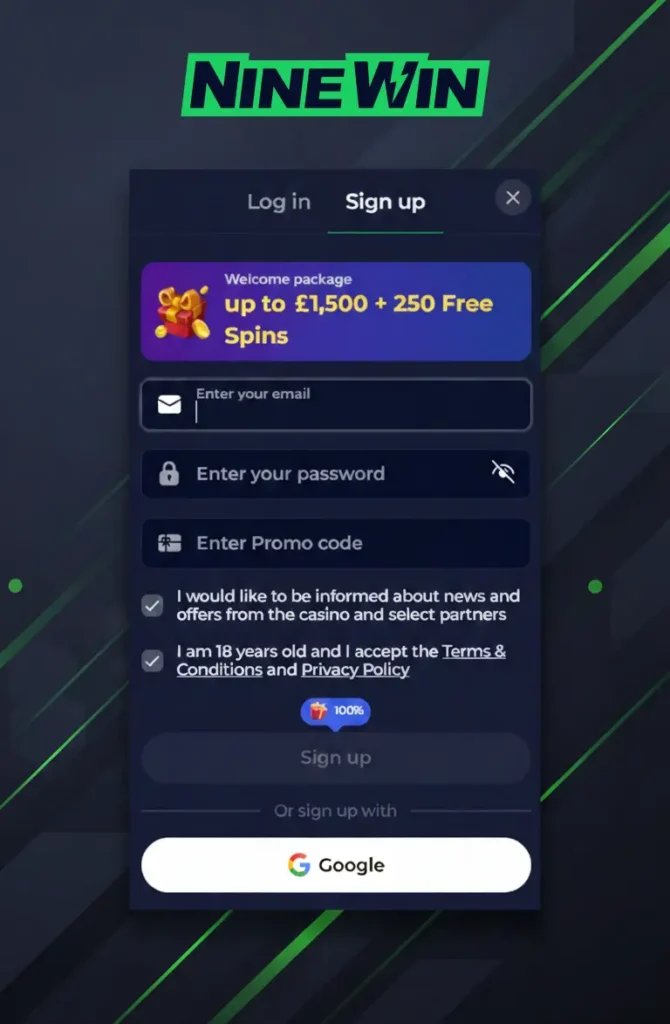
While we discuss these trends, it’s worth noting how the broader entertainment landscape intertwines with online gaming. A recent article highlighted that fans of horse racing often turn to mobile platforms for quick thrills, and one popular site even offers a “nine win” feature that lets users place instant bets while watching a race on their phones.
For a quick taste of betting action, try the nine win feature on the site.
What the shift means for the future of UK entertainment
Expect more hybrid experiences: AR overlays on historic sites, location‑based quests that double as tourism guides, and live‑streamed concerts embedded within games. As 5G coverage reaches 95 % of the UK by 2027, developers will push the envelope with richer graphics and lower latency, making mobile devices the primary gateway to immersive entertainment.


Leave a Reply
Want to join the discussion?Feel free to contribute!